
1v1 chases: the 10 mistakes that cost you the win
Nobody loses a 1v1 because of their car. You lose on ten repeated mistakes — some while running, some while hunting. Here's the full list, with the fixes.
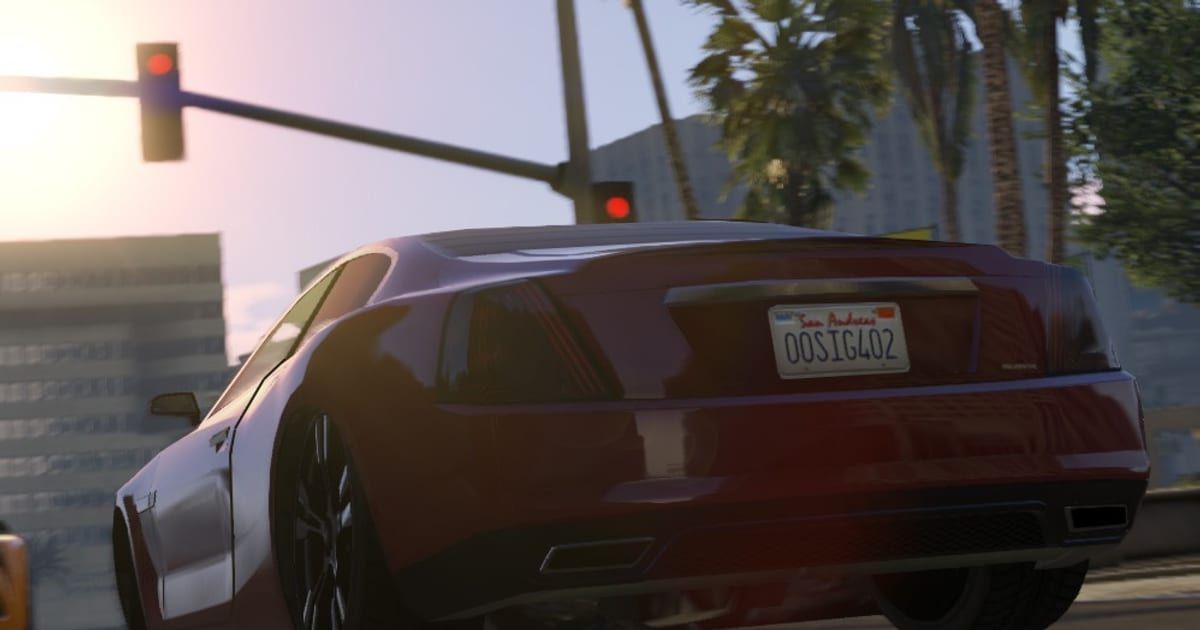
A 1v1 chase is rarely lost to something brilliant from the other side. It’s lost to the same handful of repeated mistakes, each costing a fraction of a second — until the sum becomes a gap you can’t close.
Here are the ten most common, each with why it’s wrong and the fix. The first six belong to the runner, the next three to both roles, the last one to the hunter. Read both: understanding the other seat is the fastest shortcut to getting better in your own.
Running
1. Driving a predictable straight line
The problem. A readable line is a line that can be cut. Worse, it hands your pursuer the one thing they need to attack: time to settle alongside your hip and set up a PIT. As long as you’re going straight, they pick the moment.
The fix. Never run perfectly straight for long. A slightly weaving line — nothing dramatic — forces constant correction. They bleed a little speed each time, and they never get to settle.
2. Watching your pursuer instead of the road
The problem. The most human mistake and the most expensive. Every glance backwards is a piece of road you didn’t read — and that’s exactly where you clip the kerb. Worse, what you learn is usually useless: knowing they’re ten metres back doesn’t change your next decision.
The fix. Eyes far ahead, at the exit of the next corner. Check behind only on slow straight sections, and only once. What matters isn’t their distance, it’s their offset: are they square behind you, or moving onto your flank?
3. Leaning on the handbrake
The problem. The handbrake is a rotation tool, not a braking tool. Used at every corner it kills all your accumulated speed and leaves you sideways, decelerating, while they close. Over three corners the ground you give away becomes considerable.
The fix. Save it for 90-degree turns, hairpins and U-turns. Everywhere else a clean brake and a proper exit is faster — the fundamentals are in how to drive better in GTA 5.
4. Braking mid-corner
The problem. You’re asking your tyres to slow down and turn at the same time, and they do neither well. You run wide, you correct, you lose the front — sometimes the rear. In a chase this costs double: it slows you and puts you sideways at the exact moment they arrive.
The fix. Brake in a straight line, release progressively, turn, get back on the power. Braking earlier and harder is almost always faster than braking late and long.
5. Panicking in traffic instead of using it
The problem. The instinctive reaction in traffic is to slow down or handbrake around everything. The result is that you become slow and predictable in the one place you had an advantage.
The fix. Traffic is your ally, not your obstacle. Every civilian car you brush past is a potential obstacle behind you and a broken sightline. Thread through at a steady pace and never leave an obvious gap. A pursuer forced to choose a side loses time; a pursuer following you through your gap loses nothing.
6. Picking top speed over handling
The problem. When you choose a car, top speed is the most-quoted stat and the least useful one. In an urban chase you spend most of your time well below your maximum. A twitchy car makes every mistake far more expensive than a forgiving one does.
The fix. Prioritise corner-exit acceleration, stability and traction. The full criteria are in the best cars for police chases; if raw speed still tempts you, the fastest cars in GTA 5 explain what it costs elsewhere.
Mistakes that cost both roles
7. Not knowing the map
The problem. At equal driving skill, whoever knows where the alley comes out wins. It’s the most underrated factor in the whole discipline. A runner who improvises finds a dead end; a hunter who improvises follows instead of cutting.
The fix. This is the one area that improves for free: drive. Not in a chase — on recon. Learn three areas properly rather than the whole map superficially: the channel, one dense district, one hill zone. The escape terrain of Los Santos is a good starting list.
8. Reusing the same escape twice
The problem. This is the single clearest separator between an average player and a good one. You find a sequence that works — a tunnel, a drop into the channel, a shortcut — you run it again, and meanwhile your opponent is learning in real time. The second time, they don’t follow you. They wait for you.
The fix. Treat every escape as disposable. Once used, it’s burned for the round. And the hunter’s version is symmetrical: if they lost you somewhere, don’t re-run that route hoping to find them — assume they’ve changed the plan.
9. Committing to the freeway
The problem. The freeway is intuitive: fast, long sightlines, easy to close. Which is exactly why it’s the pursuer’s terrain — and why, as the runner, it’s the one place you must leave. As the hunter it’s the reverse trap: a competent opponent will never stay on it, and you’ll spend long seconds “building speed” while they exit the area underneath you.
The fix. Running: leave the main arteries as early as you can — go into the city or change level. Hunting: only take the freeway if you can see them on it. Otherwise play the exits, not the speed.
Hunting
10. Sitting on their bumper instead of cutting
The problem. The hunter’s number one mistake. Staying glued behind feels like control, but it makes you reactive by design: you inherit every decision they make one beat late, you take their lines late, and any handbrake flick sends you sailing past.
The fix. Get offset. Your ideal position isn’t behind them, it’s slightly to the side and diagonal — close enough to commit, offset enough to cut an intersection when they turn. And when the map allows it, don’t follow at all: read the exit and take the parallel route. A hunter who cuts gains ground without driving any better.
Quick reference
| # | Mistake | Role | Fix in one line |
|---|---|---|---|
| 1 | Predictable straight line | Runner | Weave slightly; never let them settle |
| 2 | Looking backwards | Runner | Eyes ahead; watch their offset, not their distance |
| 3 | Constant handbrake | Runner | Save it for 90s, hairpins and U-turns |
| 4 | Braking mid-corner | Runner | Brake straight, release, turn, power out |
| 5 | Panicking in traffic | Runner | Thread through steadily, leave no obvious gap |
| 6 | Chasing top speed | Runner | Exit acceleration and stability first |
| 7 | Not knowing the map | Both | Learn three areas deeply, not the map shallowly |
| 8 | Reusing an escape | Both | An escape route works exactly once |
| 9 | Committing to the freeway | Both | Hunter’s terrain: leave it, or only enter if they’re on it |
| 10 | Sitting on the bumper | Hunter | Offset and cut instead of following |
The fix underneath all of them
If you only take one thing away: all ten mistakes share a single cause — reacting. The player who loses responds to what just happened; the player who wins acts on what’s about to. Looking far ahead, moving before the attack lands, cutting instead of following, not replaying a burned plan: that’s one skill wearing four different costumes.
That’s precisely what Chased puts under pressure: short 1v1 hunter-versus-hunted duels in a randomly drawn car that’s identical for both players. No hardware excuses, nothing bought — you play both roles, and your mistakes show up immediately. A style score rewards drifting and near-misses, and a seasonal ELO ladder measures the only thing that counts: how well you read the other player.
Next: the PIT maneuver explained and bike or car in a chase.