
The best places in Los Santos to lose a pursuer
You don't lose a chase by going faster, you lose it by changing terrain. The Los Santos zones that break a pursuit, and the trap hiding in each one.
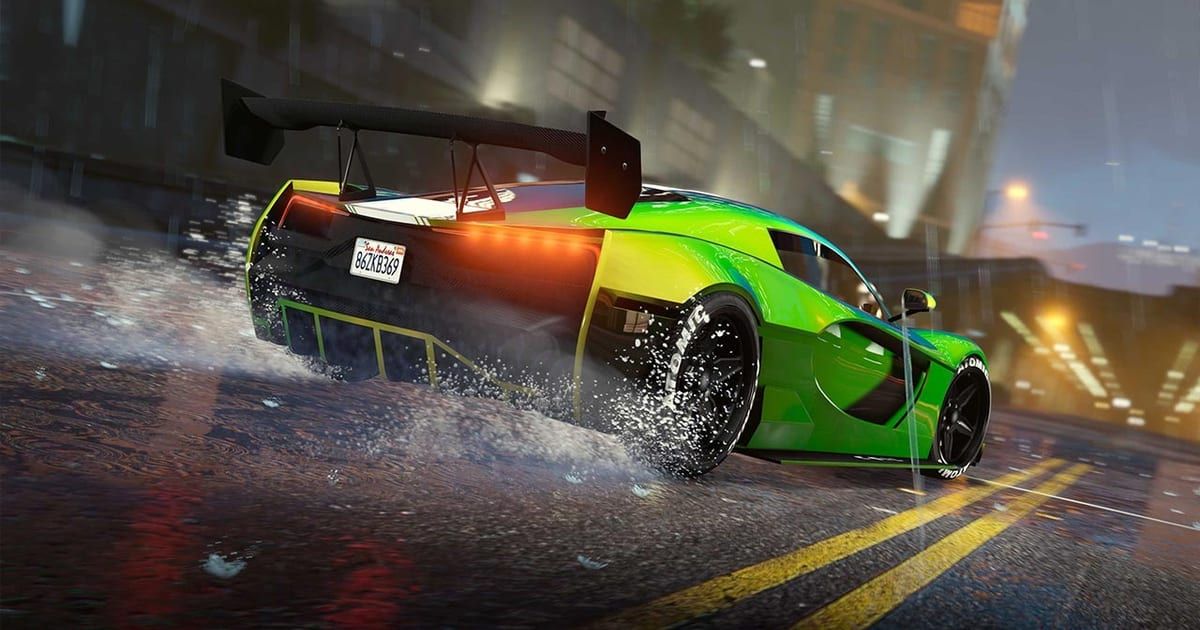
Chases are almost never won by outrunning someone. They’re won by dragging them onto terrain that doesn’t suit them. Los Santos is unusually good for this: every kind of zone breaks a different part of a pursuit — sightlines, speed, map reading, ground clearance.
Here are the terrains that work, sorted by type rather than dumped in a flat list, each with the same three questions: why it works, who it works against, and the trap. Because a spot that destroys the AI can be a gift to a human.
The Los Santos River channel
The huge concrete storm channel cutting through the city is probably the best escape terrain in the game.
Why it works. It’s sunken: from street level, you’re not visible. There’s no traffic, so you actually drive at your car’s real pace while a pursuer who stays up top is stuck at junctions. And it has many exits — ramps, bridges, tributaries — which makes your destination unreadable.
Who it works against. Excellent against the AI, which handles entries and exits badly and loses sight of you the moment you drop in. Good against a player too, but for a different reason: it isn’t the disappearance that saves you, it’s the choice of exit.
The trap. The channel is also a perfect straight. Stay in it too long with a player behind you and you’ve handed them ideal terrain to close and make contact — precisely the setting for a clean PIT maneuver. Treat the channel as a transit corridor, not a hiding place: get in, get out two exits later.
Tunnels and the metro
Why it works. A tunnel does two things at once: it breaks line of sight and it deletes the helicopter. Against AI police that’s decisive — from three stars on, the chopper cancels most of the benefit of a ground escape, so going underground is often the only way to get your stars blinking.
Who it works against. Brutal against the AI. Against a player it’s double-edged: few exits, they know where those exits are, and a tunnel where you’re visible but boxed in is a trap.
The trap. The metro tunnel is spectacular and genuinely dangerous: narrow, cluttered, and with no room to dodge contact. You gain invisibility and lose every option you had. Only commit if you know where you’re coming out.
Underground car parks
Why it works. Dropping one level makes you vanish: no street sightline, no helicopter. This is the one category of spot where stopping is sometimes the right answer.
Who it works against. Against the AI, very effective for letting the wanted level fall — as long as you don’t just sit there: if the search area is centred on you, a patrol eventually walks in. The right sequence is usually disappear, let them pass, come out the other side, and leave the area.
Against a player it’s almost always a mistake. A car park has one, maybe two ways out. A smart pursuer doesn’t come in — they park across the exit and wait. You’ve locked yourself in.
The trap. Confusing “invisible” with “safe”. A car park takes you out of sight; it doesn’t take you out of the area.
The Vinewood hills and the Mount Chiliad trails
Why it works. This is the only terrain that physically disqualifies the other car. Narrow trails, elevation, dirt, gravel: a low stiff car instantly loses its top speed, its clearance and its traction. Going off-road doesn’t make you faster — it makes them slower.
Who it works against. Devastating against AI police, whose vehicles are poor off tarmac. Against a player it depends entirely on what they’re driving: if you’re both in the same car, the terrain edge evaporates and it comes down to driving.
The trap. The hills are unforgiving. One slide off a slope, one wheel over an edge, one roll, and the chase is over — for you. It’s also slow terrain: if your pursuer has a gap on the climb, you won’t claw it back.
The docks and the container yards
Why it works. It’s the densest maze on the map: container alleys, right angles, zero visibility past ten metres. Every corner breaks line of sight. A pursuer who loses you for one second genuinely doesn’t know whether to go left or right.
Who it works against. Very good against both, which is rare. The AI gets lost. So do players, because the docks can’t be memorised the way a street grid can — there are no strong landmarks.
The trap. It’s a low-speed environment. Come in hot, clip a container, and you’ve announced yourself. There are also dead ends: the docks punish improvisation harder than anywhere else.
The airport (LSIA): the fake good spot
Worth calling out separately, because a lot of players head there on reflex.
Why people go. It’s huge, open, flat, traffic-free. You carry speed and it feels like freedom.
Why it’s a trap. For exactly those reasons. Out on the aprons you’re visible from everywhere. There’s nothing to break a sightline, no corners, no options. A pursuer doesn’t even need to follow you — they cut the angle. It’s the best terrain in the game for catching someone, and the worst for disappearing.
Verdict. The airport is good duelling ground — big, fast, clean for contact — and bad escape ground. Never commit to it while you’re the one being hunted, except to cross it on the way to something else.
Downtown alleys
Why it works. Two right-angle turns in sequence are enough to break contact. Alleys are too narrow for a pursuer to get alongside your hip, which rules out offensive contact entirely. And the grid is dense: every intersection multiplies the possibilities they have to guess between.
Who it works against. This is the best terrain against a player, precisely because it neutralises both their speed and their contact. Against the AI it’s equally good for getting stars blinking.
The trap. It requires map knowledge. One dead-end alley ends the chase instantly. It’s the only terrain on this list where experience matters more than car control — and the good news is that it’s free to acquire: drive.
Quick reference
| Terrain | vs AI | vs a player | The trap |
|---|---|---|---|
| Los Santos River channel | Excellent | Good (via exits) | A straight line invites contact |
| Tunnels and metro | Excellent | Average | Few exits, no room |
| Underground car parks | Very good | Bad | They wait at the exit |
| Hills and trails | Excellent | Depends on their car | Slow, mistakes are fatal |
| Docks and containers | Very good | Very good | Dead ends, low speed |
| Airport | Bad | Bad | Visible from everywhere |
| Downtown alleys | Excellent | Excellent | You must know the map |
The rule that beats the list
A spot doesn’t save you. A sequence of spots saves you. The classic error is finding terrain that works and staying in it: your pursuer is learning in real time, and a zone they’ve seen becomes a zone where they wait for you.
A good escape has three beats: break the sightline (a corner, a tunnel), change terrain type (road to channel, channel to city), then leave in a direction you haven’t used yet. That’s what stops them building a model of you.
And keep the fundamental difference between the two opponents in mind: AI police lose you because they can’t see you — the exact mechanics are in how to lose the cops. A player only loses you when they guess wrong. Against a human you’re not hunting invisibility, you’re hunting ambiguity.
Terrain matters, but not alone
All of this assumes you can still place a clean line when the space tightens up: see how to drive better in GTA 5 and the 10 mistakes that cost you a 1v1 chase.
It’s also why we built Chased: short 1v1 hunter-versus-hunted duels in a randomly drawn car that’s identical for both players. When the car stops being a variable, all that’s left is reading the terrain — who knows the channel, who knows where that alley comes out, who takes the right exit. A style score rewards drifting and near-misses, and a seasonal ELO ladder settles who actually reads the map.